6 Adorable Signs Your Cat Has a Child-Like Bond With You
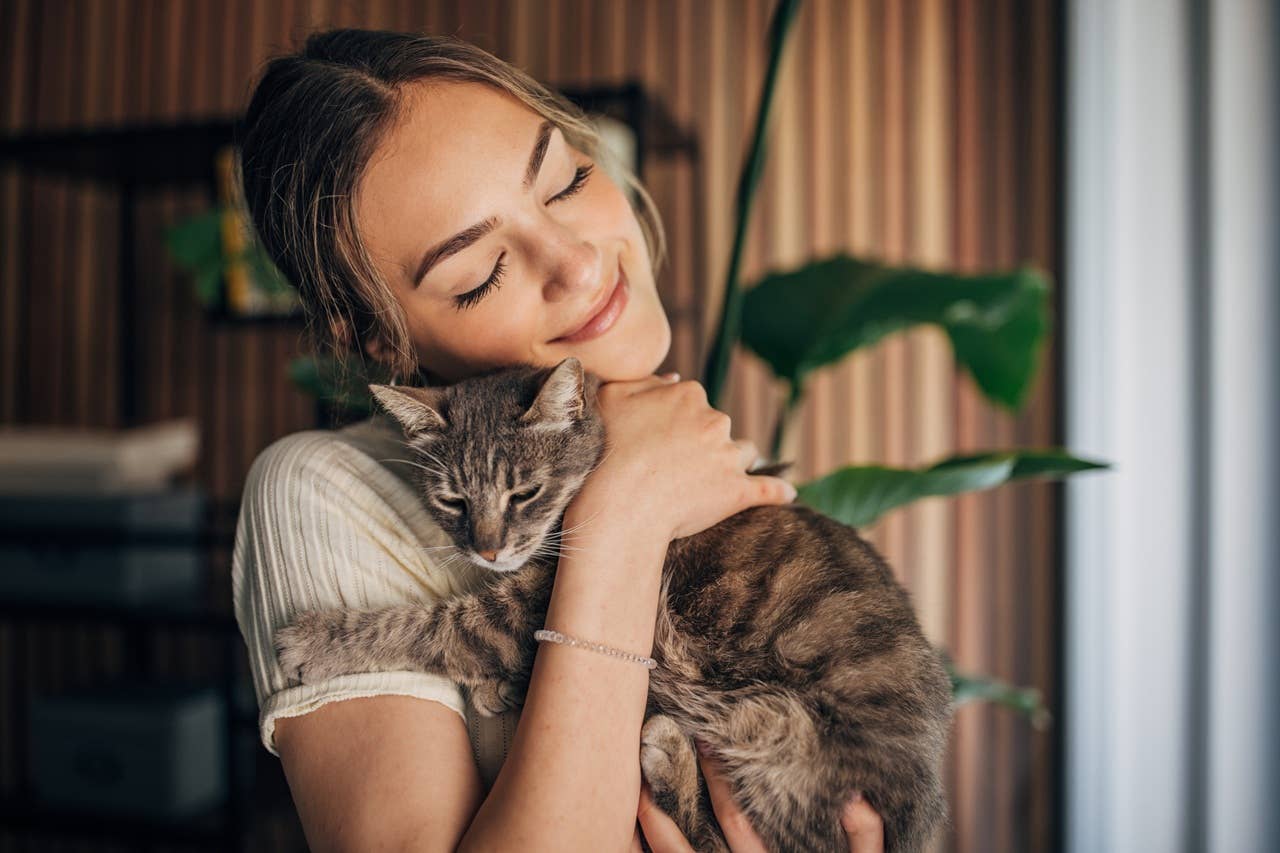
It’s easy to become attached to our cats, not to mention feel incredibly responsible for their health, safety, and well-being. As a cat parent, I used to joke with friends that I was so bonded with my cat Sebastian that it felt as if I’d given birth to him myself.
It’s one thing to describe your cat as your child, but have you ever wondered if your cat feels the same way about you? Does your cat see you as their “mommy” or just a tall, hairless bringer of food and cleaner of litter boxes? Believe it or not, cats can form surprisingly strong emotional attachments to humans, and certain behaviors may reveal just how deeply bonded your cat is to you.
We asked Dr. Julie Hunt, veterinarian at Embrace Pet Insurance, about cat attachment to humans and the signs your cat is bonded to you. She explains that cats, having been domesticated for thousands of years, can form close connections with their human caregivers that are attachment-like, sharing similarities with parent-child relationships. See how you can tell what the signs your cat loves you are, below.
6 Signs Your Cat Feels Safe and Secure With You
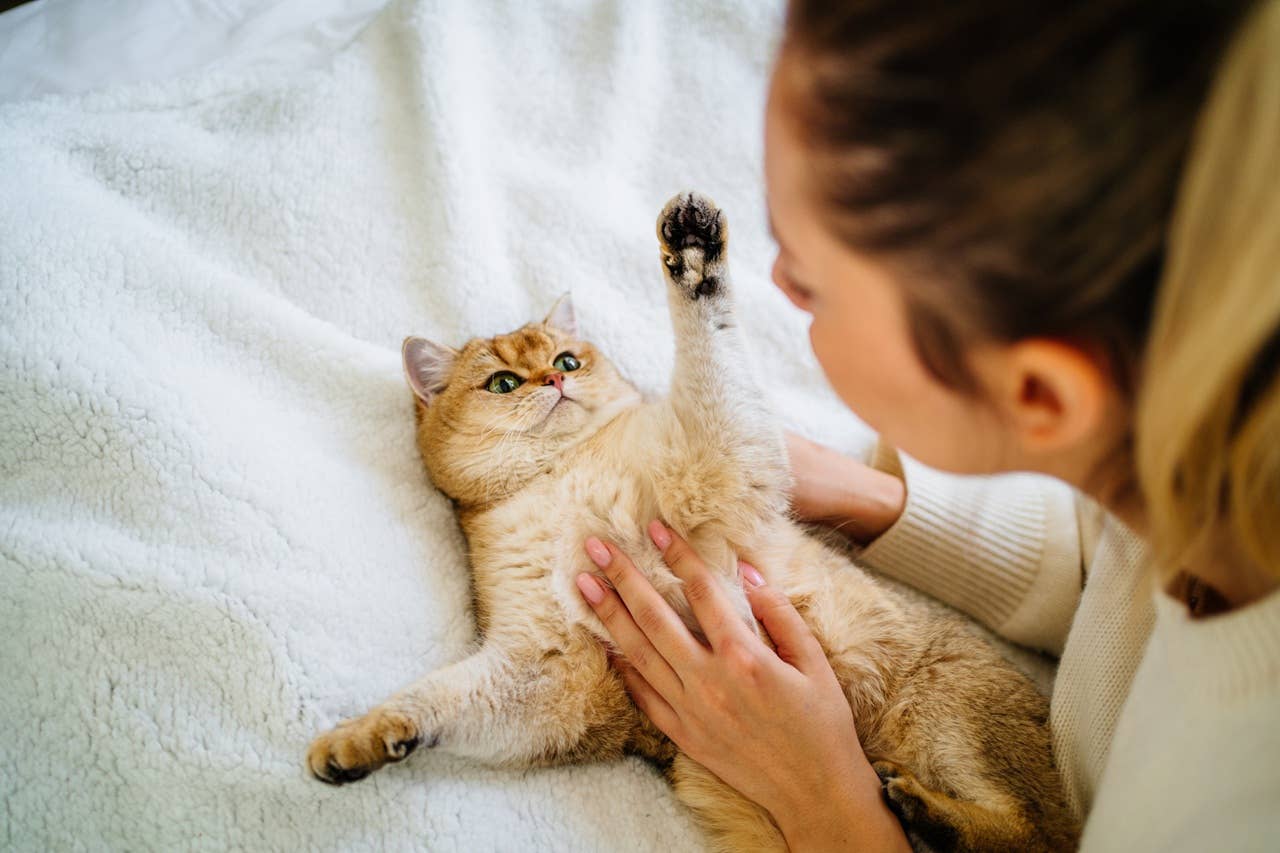
A cat getting a belly rub from its pet parent.Getty Images Tatiana Meteleva
Wondering how cats show affection and demonstrate their trust in you? Understanding cat bonding behaviors can help you identify when your cat feels safe and secure with you.
“Many cats view their owner as a safe home base and can be seen returning to their owner for comfort or reassurance,” Dr. Hunt says. “When the owner leaves, just like when a mother cat leaves its kitten, some cats will show distress, and when the owner returns, just like when a mother cat returns to its kitten, many cats will greet and be reassured by the owner’s presence.”
Here are some easy-to-observe signs your cat sees you as their parent (or at the very least, has formed a close attachment to you). According to Dr. Hunt, cats who trust, love, and feel secure with their human will show some or all of these signs:
1. Your Cat Seeks You Out and Follows You Around
One of the biggest signs your cat is bonded to you is that they seem to enjoy your company and want to be part of whatever you’re doing. If your cat greets you at the door, follows you around the house, comes over to snuggle with you on the couch, or wants to sleep with you at night, they are showing signs of attachment.
2. Your Cat Displays Relaxed, Confident Body Language Around You
If your cat is relaxed in your presence, it’s a sign that they trust you and feel safe around you. Dr. Hunt says a confident cat might walk around with its tail up or expose its belly to you.
That said, always respect your cat’s personal space, especially when they appear relaxed and vulnerable. “Never touch bellies, tails, or limbs, even when it appears you are being invited,” she says. “You are not being invited.”
3. Your Cat Sleeps Deeply and Out in the Open Near You
One of the biggest signs your cat trusts you is that they feel safe enough to let down their guard, especially when it comes to sleep. If a cat feels worried, they might nap in hiding places and sleep lightly so they can be ready to flee at the first clue of danger. Dr. Hunt says it’s significant if your cat often enjoys deep sleep in your presence out in the open rather than tucked away under a bed or perched up high somewhere.
4. Your Cat Gives You Slow Blinks and Affectionate Head Butts
Researchers have studied a phenomenon in cats called a slow blink sequence: a series of slow half blinks that cats direct toward humans. “This is cat [speak] for ‘I see you and accept/love you,’” Dr. Hunt says. You can slow blink back at your cat to say, “I love you, too, cat child of mine.” Another sign of affection and bonding is when your cat head butts or rubs their face against you to transfer their scent onto your body.
5. Your Cat Grooms You and Kneads You With Its Paws
Some of the ways cats show affection toward someone they see a their mom can be compared to the way a kitten demonstrates happiness when it’s with its mother, Dr. Hunt says: “kneading their paws, purring, closing or squinting their eyes, soft vocalizations called trills, and grooming or licking.”
6. Your Cat Brings You Gifts
Does your cat ever bring you presents? These could be their toys (adorable!) or even prey they’ve hunted for you (eek!). While it might not be the gift you were hoping for, a dead mouse dropped at your feet may be your cat’s way of sharing something with you.
Does My Cat Think I’m its Mom?
Signs your cat sees you as their parent (or as close to it as cats can come) are similar to the behaviors that indicate you and your cat have a safe, close bond. Keep in mind, though, the ways cats show affection can vary depending on their personality and age.
“Some cats have a more cool or aloof personality; don’t expect these cats to chase you down and be in-your-face with affection,” Dr. Hunt says. “That doesn’t mean that they don’t care for you. Younger cats are often more energetic, so they are less likely to spend as much time in your lap, kneading your legs and licking you because they spend more time running around, chasing toys, etc.”
Additionally, cats that had negative early interactions with humans are often more cautious. “They may solicit your affection and then back off for a period of time before re-approaching you,” Dr. Hunt says. “If you allow them to seek you out on their own terms and are consistently non-threatening, they will become more confident and secure over time.”
If you want to grow a closer bond with your cat, Dr. Hunt says being consistently non-threatening is important.
“Nothing will kill your bond faster than being unpredictable or scary,” she says. “Respect the cat’s personal space. When it wants to leave your presence, don’t chase it. Never pull it from its hiding spaces. Think about what the cat wants and not just what you want. This will help to strengthen your bond with your cat.”
Sources:
Dr. Julie Hunt, veterinarian at Embrace Pet Insurance
Nature.com
This story was originally published by PetHelpful on Nov 28, 2026, where it first appeared in the Cats section. Add PetHelpful as a Preferred Source by clicking here.
Source: Nature
